
LED Therapy
The right light for the right concern.
Recurring breakouts, redness associated with inflammation or fine lines that are becoming noticeable? LED Therapy may complement care for these concerns through light, without needles or exfoliation. The type of light is selected according to the intended improvement and the device’s capabilities.
The treatment uses specific wavelengths to influence biological processes in the skin. Blue light is used in protocols for certain inflammatory breakouts, while red light may help soothe inflammation and gradually improve fine lines and texture. The benefit depends on the settings, duration and repetition of sessions, rather than the colour of the light alone.
LED may be a complementary step in the Hydrafacial protocol or in aftercare following selected procedures. Before application, the condition of the skin, medications and sensitivity to light are assessed. The plan is designed around a defined goal, with realistic expectations: improvement is gradual and may also require other treatments.
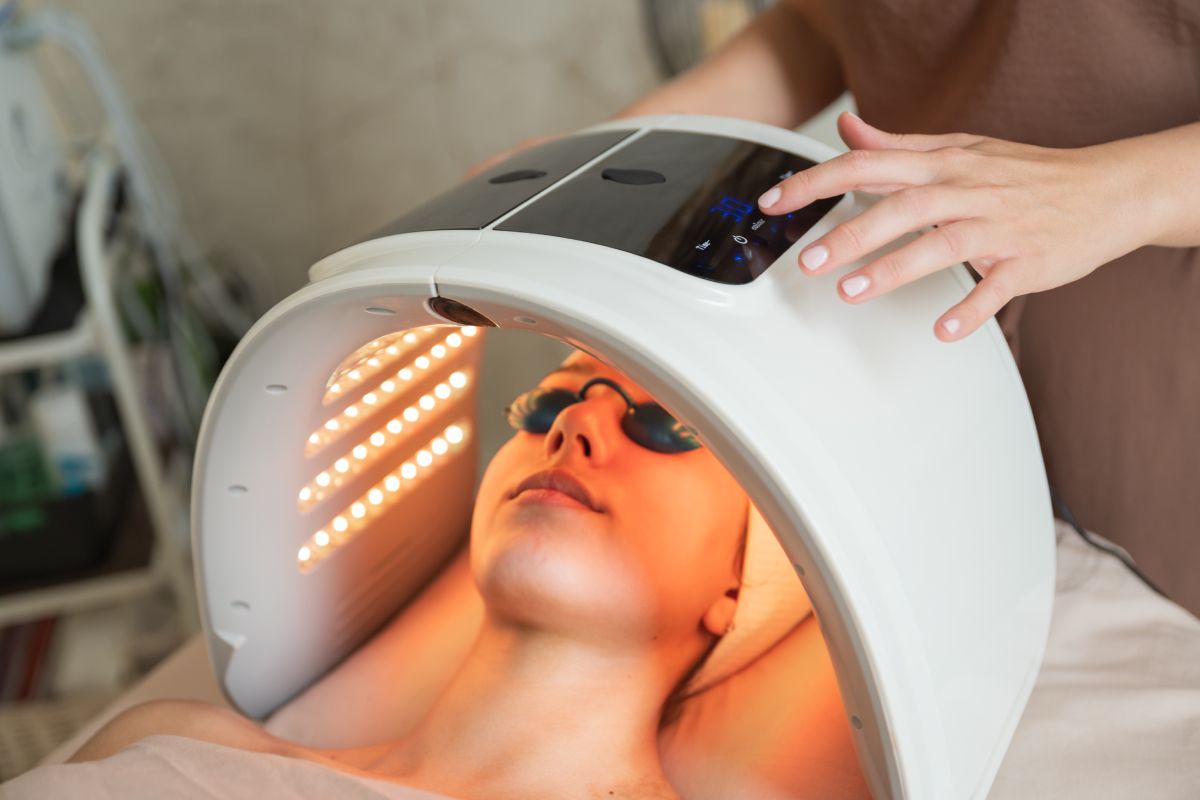
Reduction of certain inflammatory breakouts with blue light
For selected inflammatory acne lesions, blue-light protocols, alone or combined with red light, may help reduce their appearance. LED is used following assessment, often as part of a more comprehensive acne treatment plan.
Soothing of certain types of inflammation with red light
Red light may help soothe certain inflammatory processes and the redness associated with them. The cause of the redness is assessed beforehand to determine whether this treatment is suitable.
Gradual softening of fine lines with red light
Appropriate red-light protocols may support processes associated with collagen. With repeated sessions, a modest improvement in superficial lines and texture may be observed.
Support for recovery following selected procedures
Within a suitable protocol, LED may complement care aimed at soothing and repairing the skin. The timing and settings depend on the procedure performed and the condition of the area.
Care without needles and usually without downtime
When performed on its own, LED is generally well tolerated and does not require a break from your routine for recovery. If it forms part of a combined session, aftercare and recovery time also depend on the other procedures.
Depending on the wavelength and available protocol, LED may be considered for:
Certain inflammatory acne lesions.
Redness associated with certain types of inflammation.
Fine lines and early signs of ageing.
Mild texture irregularities.
The need for complementary care during recovery from certain procedures.
Frequently Asked Questions
What is the difference between blue and red light?
Blue light is used to target bacteria associated with acne, while red light is used in protocols for inflammation, repair and certain signs of ageing. Its use is determined by the wavelength, dose and device instructions. LED light used in skin care differs from the ultraviolet radiation used for tanning.
Does LED help with every type of acne?
No. It may help certain inflammatory breakouts, but it is not a standalone solution for blackheads, closed comedones, nodules or cysts. The type and severity of acne determine the plan; evidence for light therapies remains limited.
How many sessions are needed, and when are results visible?
Repeated sessions are usually recommended. Changes are assessed over the weeks and may require maintenance. The number, intervals and duration depend on the device, treatment goal and individual response; there is no single schedule for everyone.
What will I feel during the session, and can it be combined with other treatments?
The session is generally well tolerated, and you may feel mild warmth. LED may be included in Hydrafacial or used after Dermapen and other procedures when the protocol allows. When used on its own, it usually requires no recovery time; for combined treatments, follow the guidance for the entire session.
Who requires careful assessment, and what reactions may occur?
Inform your practitioner if you have sensitivity to light, conditions that cause it, eye problems or are taking photosensitising medications. Skin tone and a tendency towards hyperpigmentation are taken into account. Redness, irritation, discomfort or pigmentation changes may occur. The eyes are protected according to the device’s requirements; continue the recommended care and report any unusual reactions.
