
PRP - Plasma
An approach that draws on your body’s biological potential.
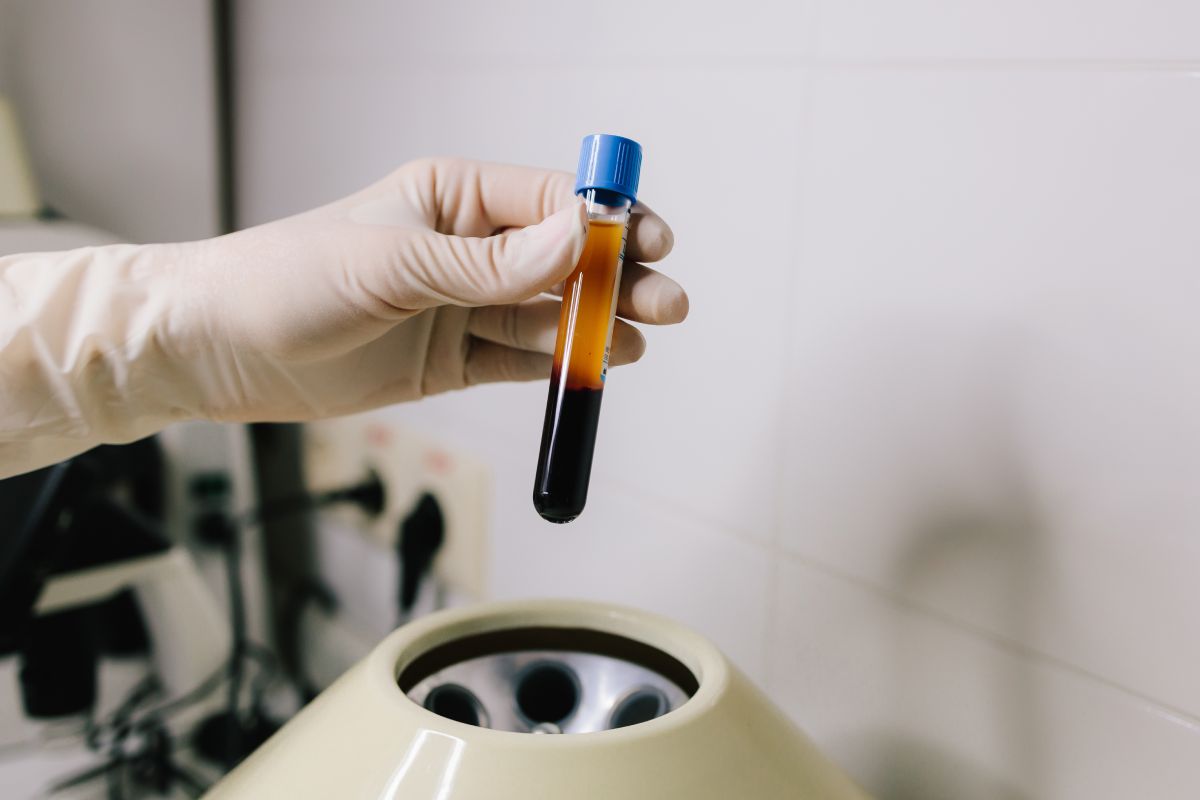
PRP, or platelet-rich plasma, is a preparation obtained from a small sample of your own blood, processed by centrifugation. Platelets contain growth factors involved in tissue repair; in aesthetic medicine, PRP is used to target gradual improvements in skin quality. At Glow Medical Skin Clinic in Tirana, treatment begins with an initial consultation, during which your skin condition, medical history and expectations are assessed. Depending on your needs, the plasma may be administered by injection or incorporated into a combined protocol with microneedling. Improvements vary from person to person, and clinical evidence for aesthetic skin rejuvenation remains limited, so the benefits, limitations and risks are discussed before the procedure.
Skin texture
Some studies have reported a perceived improvement in smoothness following treatment. The effect varies according to the protocol and has not been consistently confirmed across all studies.
The appearance of fine lines
Treatment may help soften certain superficial lines, but results vary. Deep wrinkles and expression lines may require other treatments.
The appearance of atrophic acne scars in combination treatments
When used alongside microneedling or other suitable procedures, PRP may contribute to improvements in indented scars. The result reflects the entire protocol, rather than PRP alone.
Skin quality in selected areas
Treatment may be considered for mild concerns involving texture and superficial lines, including around the eyes following a medical assessment. Its effect in this area is not guaranteed.
Uneven skin texture
Superficial fine lines
Atrophic acne scars within combined treatment protocols
Early changes in skin quality
Fine lines around the eyes in selected cases
Frequently Asked Questions
What is PRP, and how is it prepared?
PRP is plasma with an increased concentration of platelets. A small blood sample is taken and processed by centrifugation to separate the preparation that will be used for treatment.
When will I see results, and how many sessions are needed?
Changes, when they occur, develop gradually over weeks or months. Several sessions may be needed, but there is no universal protocol; the number of sessions and the intervals between them are determined following assessment.
Can PRP be used around the eyes?
It may be considered in selected cases following an assessment of the area. Dark circles may be related to pigmentation, blood vessels, anatomy or other factors; PRP does not correct all these causes and does not necessarily treat under-eye bags.
Can PRP be combined with Dermapen?
Yes, PRP may be incorporated into a microneedling protocol, including Dermapen, based on a medical assessment. The benefits and recovery time depend on both procedures and the condition of the skin.
What are the risks of PRP?
Pain, swelling, redness or bruising may occur at the blood collection and treatment sites. Infection or tissue damage may occur as a result of the procedure. Using your own blood reduces the risk of an allergic reaction to the plasma, but does not eliminate treatment risks or reactions to the anaesthetics and materials used.
