
Intravenous Therapies
Care that begins with what your body is lacking.
Fluid loss, iron deficiency or the need to correct nutritional deficiencies require tailored care. Intravenous therapies allow fluids or prescribed ingredients to be administered directly into the bloodstream when this route meets a medical need.
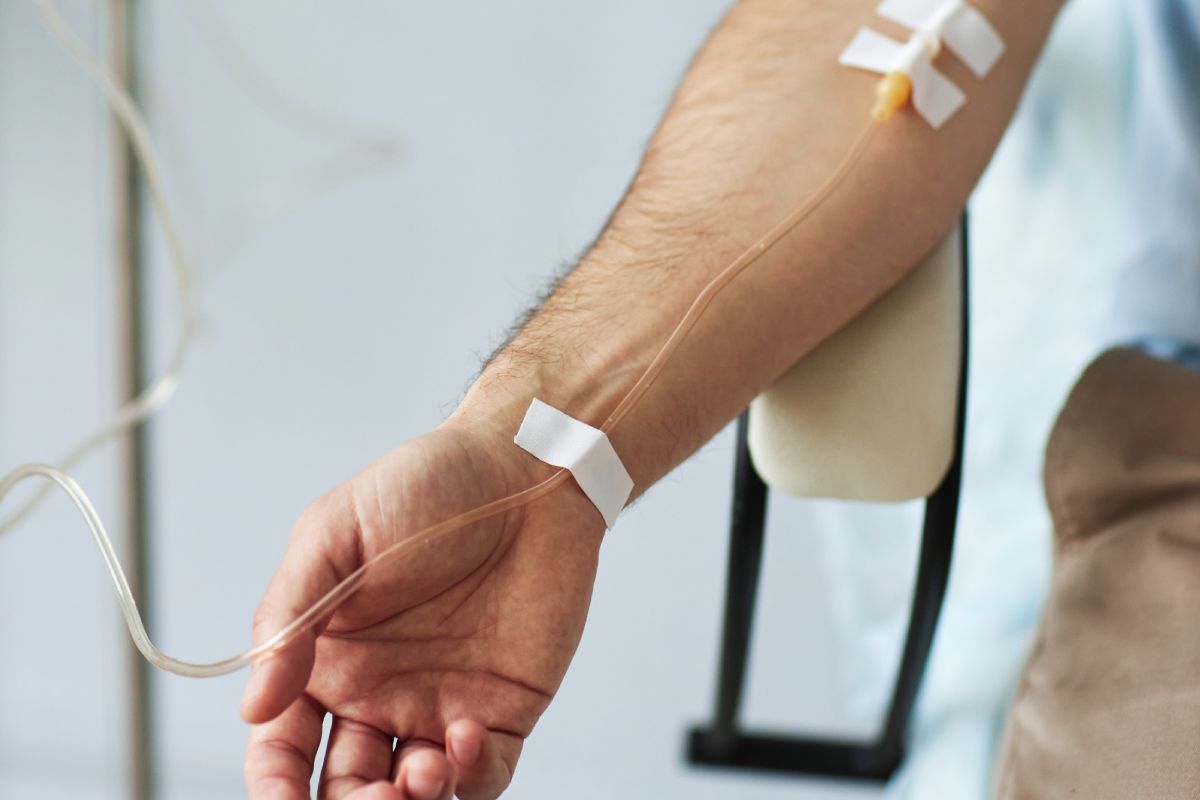
At Glow Medical Skin Clinic, we offer three types of intravenous care: therapy for dehydration, therapy for immune support and iron therapy. Each has a distinct purpose and is selected after assessing your condition, medical history and, where needed, relevant test results. The composition, dose and rate of administration are determined by your doctor.
Intravenous therapy for dehydration
It is used to replace lost fluids and, where needed, electrolytes. It may be recommended after vomiting, diarrhoea or inadequate fluid intake, when oral hydration does not meet your needs. A medical assessment determines the appropriate solution and volume.
Intravenous therapy for immune support
This service focuses on replenishing necessary nutrients when your doctor identifies a deficiency or an indication for intravenous administration. The relevant vitamins and minerals contribute to the normal functioning of the immune system; the composition is selected according to individual needs and explained before the session.
Intravenous iron therapy
It aims to replenish iron stores when a deficiency has been confirmed through tests. Your doctor may recommend it when oral iron is not tolerated, is not absorbed adequately or when faster replenishment is needed. Correcting the deficiency supports haemoglobin production and may ease the fatigue associated with it.
Restoring hydration when oral fluids are not enough
Therapy for dehydration helps replace fluid losses. The volume and composition are tailored to your condition and assessed during administration.
Iron replenishment and support for haemoglobin
In cases of confirmed deficiency, intravenous iron provides the body with the iron needed to form haemoglobin. Improvement is monitored through symptom assessment and tests.
Relief from fatigue associated with the deficiencies being treated
When fatigue is associated with dehydration or iron deficiency, correcting the cause may help restore energy and tolerance for activity.
Nutritional support according to assessed needs
Correcting the relevant deficiencies supports normal bodily functions, including immune function. Ingredients are selected for a defined medical purpose.
Controlled administration and professional follow-up
The dose, rate and duration are determined for the therapy you receive. Your condition is monitored during the session, and your doctor explains the follow-up steps.
Dehydration and electrolyte losses requiring intravenous replacement.
Confirmed iron deficiency and iron deficiency anaemia, when this therapy is indicated.
Fatigue or weakness associated with dehydration or iron deficiency.
Nutritional deficiencies for which your doctor considers intravenous administration necessary.
Frequently Asked Questions
How is it determined which therapy I need?
Your doctor reviews your concerns, medical history, medications and test results where needed. The therapy is selected according to the cause and the suitability of the intravenous route. Fatigue alone does not determine which infusion is needed.
Are tests needed before iron therapy?
Yes. Iron deficiency must be confirmed and its cause assessed. Your doctor determines the tests, dose and timing of the post-treatment check-up.
Does immune support therapy help prevent viral illnesses?
Its purpose is to address assessed needs and support normal bodily function. It does not provide guaranteed protection against viral illnesses or serve as a treatment for infection. The benefit depends on the deficiency being treated and the composition used.
How long does a session last, and how many sessions are needed?
The duration and number of sessions depend on the therapy, preparation and prescribed dose. The plan is explained before administration and reviewed according to your condition and follow-up results.
What should I know before the session?
Inform the team about allergies, medications, pregnancy and heart or kidney conditions. Discomfort at the cannula site or reactions to the preparation may occur; the team explains the appropriate care and monitors you. Notify the staff immediately if you experience burning, dizziness or difficulty breathing.
