
Chemical Peel
A smoother texture. A more even tone.
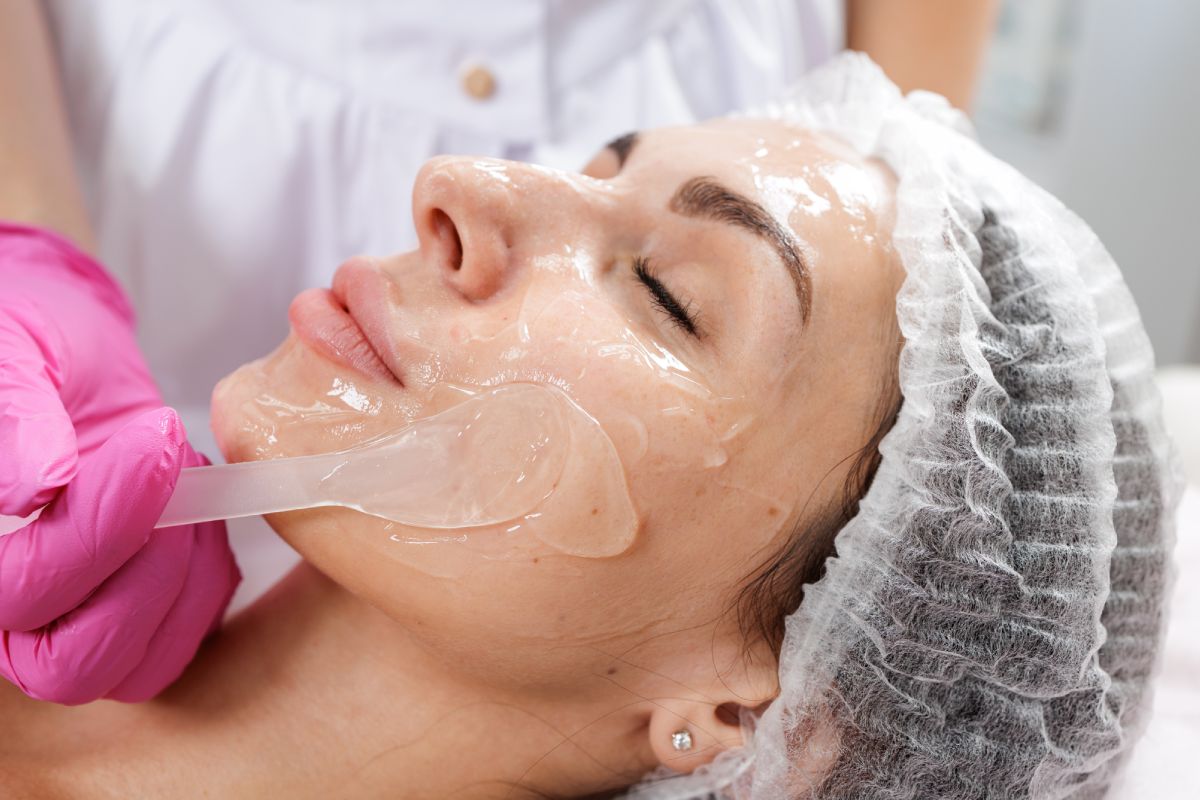
A chemical peel is a treatment that uses a selected solution to induce controlled exfoliation and encourage renewal of the treated layers of skin. Depending on the formulation and depth of action, it may improve texture, superficial pigmentation, certain forms of acne and fine lines. At Glow Medical Skin Clinic in Tirana, treatment begins with an initial consultation, during which your skin type and tone, sensitivity and the concerns you wish to address are assessed. The solution and intensity are tailored to the individual, taking into account the products you use, previous procedures and recovery time. The aim is fresher, more even-looking skin, with clear guidance on preparation, aftercare and sun protection.
Skin texture and smoothness
Controlled exfoliation may soften surface roughness and improve the evenness of the skin’s surface.
Superficial pigmentation and uneven tone
Suitable formulations may reduce the appearance of certain sun spots or pigmented marks left by acne. The type and depth of pigmentation determine the approach.
Comedones and certain forms of acne
Selected peels may help reduce clogged pores and comedones. Inflammatory or severe acne requires a more comprehensive medical treatment plan.
The appearance of fine lines
Depending on the depth of treatment, a peel may soften certain superficial lines. Deep wrinkles and expression lines are not treated in the same way.
Rough texture and an uneven skin surface
Rough texture and an uneven skin surface
Rough texture and an uneven skin surface
Uneven skin tone
Clogged pores and comedones
Superficial fine lines
Dullness and a lack of radiance
Frequently Asked Questions
What is a chemical peel, and how does it work?
Not every peel causes visible peeling. Some cause mild flaking, while others require a longer recovery period. The amount of peeling is not the only measure of effectiveness.
When will I see results, and how many sessions are needed?
The result is assessed once the skin has recovered. Superficial peels may require several sessions; the number and intervals are determined by the formulation and the concern being treated.
Can a peel help with melasma?
In selected cases, it may be included in a combined treatment plan. Melasma may recur, and irritation may worsen pigmentation, so a medical assessment and ongoing sun protection are required.
Is it suitable for every skin type?
The peel must be adapted to your skin tone and type. The risk of pigmentation changes requires particular care, especially with darker skin tones. Infections, herpes, wounds, medications, pregnancy and previous procedures are discussed during the consultation.
What are the risks of a chemical peel?
Redness, burning, sensitivity, dryness or peeling may occur. Pigmentation changes, infections, herpes reactivation or scarring may also occur. The risks and recovery time increase with the depth of treatment; professional selection and application are important.
